

Fake-Looking Veneers Are a Planning Problem, Not a Porcelain Problem
You've seen the teeth that announce themselves: a little too bright, a little too uniform, with that faint plastic quality that gives them away instantly. If that image is what's been holding you back from exploring veneers, it's worth knowing that look isn't a porcelain problem. It's a planning problem.
Modern ceramics can be layered to move light the way natural enamel does. When veneers look fake, the cause almost always traces back to design and material decisions made before a single tooth was touched. Dr. Castor at Restore Dental Studio in Agoura Hills approaches every case as smile design built around your face, not a standard template.
To talk it through, call (818) 889-0400.
The Short Version
That overdone look traces back to design and material decisions, not to veneers as a category. Here is what this piece covers:
- Why veneers look overdone and which design decisions cause it
- What "natural" actually means in cosmetic dentistry
- What should happen in a consultation before any tooth is touched
- How to read a dentist's approach and spot the right signals
- Honest answers to the questions patients ask most
What Actually Makes a Smile Look Overdone
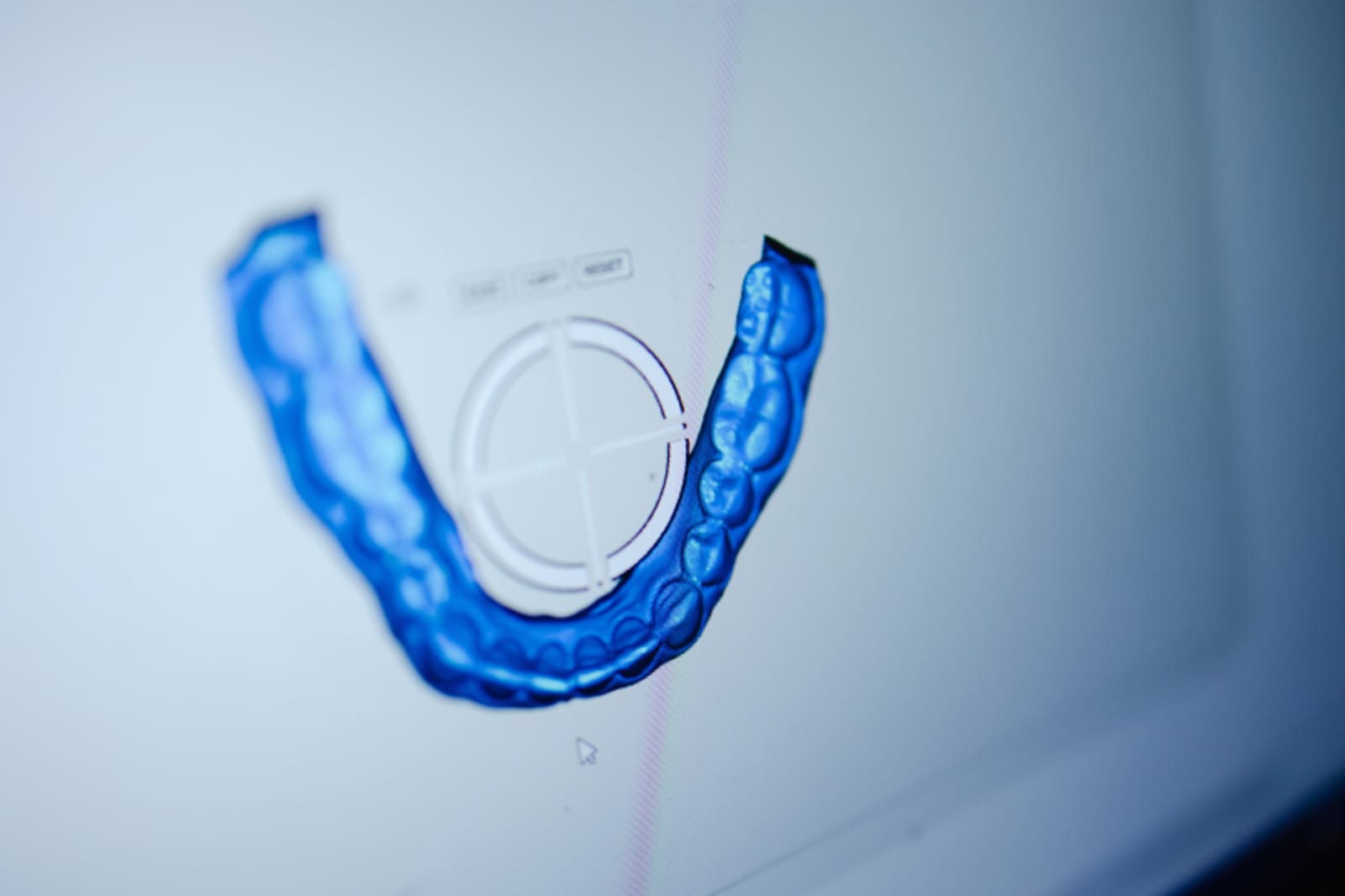
Most people cannot name what looks off about an overdone smile. They just feel it. The cause almost always traces back to one of three design decisions made before any porcelain is placed.
Too Much Opacity
Natural enamel lets light pass through it, scatter, and return softened. That is why real teeth look slightly translucent at the biting edge and denser near the gumline. A veneer made too opaque loses that depth and looks chalky and flat. Good planning ensures enough space for layered ceramic and sometimes includes whitening first, so the veneer does not have to mask everything on its own.
Color That Never Varies
Real teeth are not one uniform shade. Canines tend to read slightly warmer than front teeth, and biting edges are cooler and more translucent than the body of the tooth. A set of veneers shaded identically across every tooth looks artificial instantly. A well-planned case builds in that variation deliberately, placing the brightest shade where light naturally falls.
Symmetry That's Too Perfect
Faces are not symmetrical, and attractive smiles are not either. Small quirks, like one front tooth sitting slightly forward or an edge softened on one side, are part of what makes a smile look human. Matching every tooth like a mirror image looks precise but feels off. Good smile design preserves the character of your smile while correcting what actually bothers you.
Natural Means Designed for Your Face, Not a Catalog
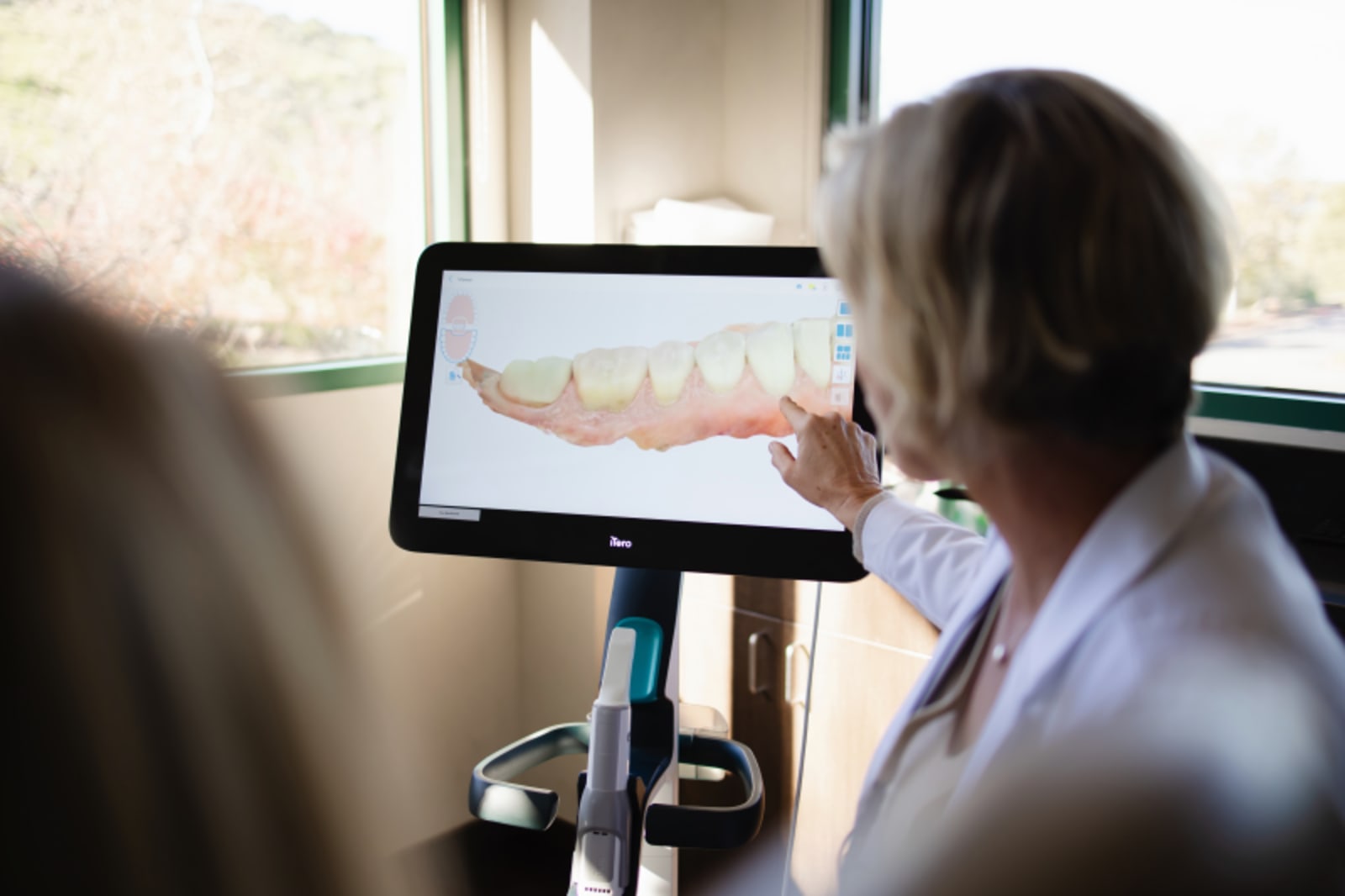
In cosmetic dentistry, "natural" gets used constantly but rarely defined. It does not mean a generic ideal of beautiful teeth. It means a result designed around you specifically, so your smile looks right on your face, not just in a photo.
- Face and features: Your face shape, skin tone, lip line, and the way your expression moves in conversation all shape what works. Teeth that look flawless in isolation can look entirely wrong on a specific person.
- Age-appropriate design: A twenty-year-old's biting edges are unworn and translucent. By middle age, those edges have softened and picked up subtle character. Giving a sixty-year-old the tooth shape of a teenager looks out of place, even if no one can immediately say why.
- Shade and complexion: How light or dark a tooth appears has to work with your skin tone. A brightness that looks luminous on one person can look stark on another, which is why shade is always chosen for the individual.
Material choice matters too. Porcelain is stable, well tolerated, and holds its surface over years without staining or dulling the way some composites do. The real measure of a great result is that your smile still looks like yours a decade later.
The Decisions No Scanner Can Make for You
Digital design tools, intraoral scanners, and high-grade ceramics have made excellent results more achievable than ever. But they have not replaced judgment.
Smile design involves dozens of small decisions that software simply cannot make. The exact curve of a biting edge, how light moves through the tip of a tooth, and how the overall shape reads when you are mid-conversation rather than posing for a photo all require a trained eye. Prosthodontic training, which focuses specifically on the restoration and replacement of teeth, means Dr. Castor evaluates each case through both an aesthetic and a functional lens. Reading your face is just as important as matching a shade, and understanding how the bite works is just as important as how the porcelain looks.
What needs to change, what is worth keeping, and where doing less produces a better result are all part of that process. Over-treating a smile is one of the most common reasons results look artificial. Sometimes the right plan involves fewer veneers than a patient expected, because two well-placed teeth can solve what eight would have overcorrected.
What Should Happen Before a Single Tooth Is Touched
Facial and Functional Analysis
A thorough assessment looks beyond the teeth alone. It considers where your lip rests, how high your smile rises, how your smile line curves, how your bite comes together, and whether you clench or grind at night. Grinding matters a great deal for veneers, because the pressure will crack porcelain over time no matter how well it was made. Any plan that skips that evaluation is skipping what determines how long your result lasts.
Listening Before Designing
You should be asked what you already like about your smile, not just what bothers you. People often arrive ready to list flaws and leave out the features worth keeping. What you want to feel when you see yourself in the mirror is real clinical information.
Seeing It Before Committing to It
Digital previews and physical wax-ups let you evaluate the plan before any tooth is touched. A wax-up is a model of your proposed result built in wax so you can see and react to it in person. If what you are hoping for is not achievable within your anatomy or bite, that conversation should happen here, not after.
Straight Answers About Tooth Structure
How much enamel is removed? Is this reversible? What happens in fifteen years? These questions drive most of the anxiety you will find in online forums, usually because someone did not get clear answers until after treatment. A consultation that walks through preparation, maintenance, and long-term care honestly is the standard every patient deserves.
The Signals That Tell You a Dentist Designs for You, Not a Template
Five things worth noticing when you evaluate a dentist's approach:
- Variety in their case photography. Look at the subtle work alongside the dramatic transformations. Single-tooth corrections, front-tooth-only cases, changes measured in millimeters. A portfolio of nothing but full-arch redesigns tells you what that office is built to sell.
- Whether they talk about your face. A provider who promises a beautiful smile without discussing your proportions, lip line, or coloring is working from a template rather than from you.
- How translucency and shade come up. If material choices and layering technique never enter the conversation, the aesthetic plan may be shallower than it sounds. Ask how those decisions get made for veneers specifically.
- Pace. A good provider gives you space to ask questions and is comfortable with you taking time to decide. Pressure to commit quickly is a signal worth noting.
- What they are willing to say no to. A dentist who will tell you honestly that a request won't suit your face is the one most likely to give you a result that truly does.
Real Questions, Straight Answers
Will Anyone Be Able to Tell I Had Work Done?
Not if the work is well designed. In a successful case, people notice that you look refreshed, not that you had dental work. The giveaways are almost always the same: a shade too bright for the face, or teeth so uniform they no longer look human. Design that starts with your face avoids both.
Can Veneers Look Natural if My Teeth Are Very Dark Underneath?
Yes, but it requires careful planning. Dark teeth may need whitening first, and the porcelain has to be selected and layered to block discoloration without losing the translucency that makes teeth look real. Dr. Castor works out the shade plan before any tooth is touched, so the result holds up in natural light.
How Bright Is Too Bright?
A simple test: hold the whites of your eyes next to your teeth in a mirror. If your teeth look noticeably brighter, the shade is too light. The right brightness depends on your complexion, which is why shade is always chosen for the individual, not from a standard chart.
How Long Do Porcelain Veneers Last?
With proper care, porcelain veneers typically last 10 to 20 years. Longevity depends on how well the bite was evaluated before placement, whether grinding was addressed, and how the veneers are maintained. Skipping that bite assessment is the most common reason veneers fail early.
The Conversation Most People Wish They Had Sooner
Most people who think about veneers carry the idea for years, not because of cost, but because they never found a provider who started with their face. Dr. Castor begins every consultation by looking at your proportions, coloring, bite, and what you actually want before any treatment is proposed.
From there, everything is built around you. It may lead toward veneers, bonding, or a broader restorative approach. When you are ready to have that conversation, call us at (818) 889-0400.

