Porcelain Veneers in Agoura Hills, CA
Porcelain veneers are thin ceramic shells bonded to the front of your teeth to improve color, shape, length, and proportion. They're a popular choice for people dealing with staining that whitening can't fix, chipped or worn edges, gaps, or teeth that have always felt slightly off. When they're done well, they blend in completely. They look like your own teeth, just better.
Most patients want to know one thing: will this look real? The honest answer is that it depends less on the porcelain itself and more on the planning, the lab crafting it, and the dentist placing it. Dr. Castor walks through all of that with you before anything is scheduled. Veneers are one part of our broader approach to cosmetic dentistry, and for some smiles a more conservative option like dental bonding is the better starting point.
To begin that conversation at our Agoura Hills studio, call (818) 889-0400.
Before You Decide: What to Know First
A few things are worth understanding before you move forward. Veneers are a meaningful commitment, and the more clearly you go in, the better the outcome tends to be.
- Veneers address discoloration that whitening can't reach, chipped or worn edges, gaps, short or uneven teeth, and mild crowding.
- Because a thin layer of enamel is removed from each tooth, veneers are a permanent commitment. Those teeth will always need a restoration going forward.
- Most cases move through two to three appointments over four to eight weeks, with temporary veneers in place while your final ones are being crafted.
- The first step is a consultation with Dr. Castor, where she reviews your candidacy, the design, and the full cost of your specific plan together with you.
What the Process Actually Looks Like

- Consultation and smile design
Dr. Castor reviews your teeth, bite, gum health, and photos of your smile, then talks through what's been bothering you and what "natural" means to you. Shape, length, and shade are all part of the conversation, and nothing moves forward until the plan feels right to you. - Preparation and temporaries
A thin layer of enamel is gently removed under local anesthetic, so what you feel is pressure rather than pain. We take impressions or a digital scan and send everything to the ceramist. Temporary veneers go on the same day, giving you a preview of the final result. - Fabrication at the lab
Your porcelain is crafted by hand to your design specifications. This stage typically takes two to four weeks, and what you notice about the temporaries helps us refine the final pieces. - Final placement
Each veneer is tried in, checked for fit and shade, then bonded and polished. We fine-tune your bite so everything feels right. Small adjustments at this stage are completely normal.
The Problems Veneers Actually Solve
- Color that stays put. Porcelain doesn't stain the way natural enamel does, so coffee, tea, and red wine have far less effect over time.
- One treatment can solve several concerns at once. Shade, gaps, worn edges, and uneven length can all be addressed together, rather than through multiple separate treatments.
- Strength restored to worn or chipped teeth. When porcelain is bonded to a tooth, it reinforces the surface it covers. For edges that have been chipping for years, that means rebuilding structure, not just improving appearance.
- They last years, not seasons. With good hygiene, regular care, and protection against grinding, porcelain veneers are a long-term restoration.
- We protect as much natural tooth as possible. Our preparation approach is focused on preserving healthy tooth structure throughout the process.
Who Veneers Are Right For, and Who Should Consider Something Else
Most people genuinely bothered by how their front teeth look turn out to be good candidates. Veneers tend to be a great fit for stubborn discoloration whitening hasn't resolved, chipped or worn edges, gaps between teeth, teeth that look too short or too small, and mild crowding that doesn't need braces or aligners.
That said, veneers aren't always the right starting point. Here's when we'd recommend a different path first:
- Active gum disease. Your gums need to be healthy before any cosmetic work begins. We take care of that first.
- Significant misalignment. If your teeth are crowded or your bite is off, Invisalign first makes more sense, so the veneers sit on well-positioned teeth.
- Heavy clenching or grinding. Porcelain can crack under that kind of pressure. We look into why it's happening and address it before any porcelain is placed.
- Very limited remaining enamel. Veneers need solid tooth structure to bond to. When there isn't enough, crowns are the safer choice.
- A single discolored or chipped tooth. Composite bonding or whitening may get you where you want to be with far less commitment.
How Long Does This Actually Take?
For most patients, the full process takes four to eight weeks from first visit to final placement:
- Week one: your consultation, photos, and smile design conversation.
- Week two or three: we prepare your teeth and place temporary veneers the same day. Some cold sensitivity for a few days is normal and fades quickly.
- The following two to four weeks: your veneers are being crafted at the lab while you wear the temporaries. Your feedback on the look and feel helps us refine the final result.
- Final visit: we try in the finished veneers, bond them, and fine-tune your bite so everything feels right.
- A short follow-up: we check that you are comfortable and that everything is settling well.
When gum treatment, orthodontics, or a larger restorative plan is part of the picture, the timeline adjusts and we map out the full sequence with you before anything begins. Ready to get a clearer sense of your plan? Request a consultation or call us at (818) 889-0400.
Setting Yourself Up for Long-Term Results
Before your first appointment, get current on cleanings and address any gum concerns. If you plan to whiten your natural teeth, do it before the shade is chosen since porcelain won't change color after it's made. Photos help too — smiles you like, or your own smile from years past — they tell us more in two minutes than a paragraph of description ever could.
Once your veneers are in, keeping them in great shape is simple. Brush twice daily, floss around each veneer, and stay current with your cleanings. Reach for a non-abrasive toothpaste since gritty whitening formulas wear down the glaze on porcelain over time. If you clench or grind at night, a nightguard is your best protection, and it's worth avoiding using your front teeth to open packaging or crunch ice. A little sensitivity in the first few days after bonding is completely normal and fades on its own.
Who Is Doing Your Work, and Why It Matters

The results you get depend heavily on who is designing and placing your veneers. Dr. Justine Castor, DDS, has built her clinical focus around exactly this kind of work.
- Trained at the University of the Pacific, Arthur A. Dugoni School of Dentistry, graduating with honors
- Received the Group Practice Award for Clinical Excellence
- Advanced training in restorative and implant dentistry
- Member of the AACD, ADA, and AGD
- Works alongside Dr. Kathleen Carson, DDS, whose focus on airway, sleep, and TMJ means grinding or jaw tension gets addressed as part of the plan, not after the fact
Restore Dental Studio is intentionally unhurried. A smaller daily patient load means two dentists can review the same case, try-in appointments run as long as they need to, and the detail work that veneers require never gets rushed.
Real Questions, Straight Answers
Will my veneers look obviously fake?
Porcelain catches and reflects light the way natural enamel does, so a well-made veneer is genuinely hard to spot. Proportion, shade, and translucency are all chosen to suit your face and the teeth around them. If you want a brighter, more uniform result, that is an option too. You and Dr. Castor make that call together.
How long do porcelain veneers last?
Porcelain veneers are built to last many years. Longevity depends on bite force, nighttime grinding, gum health, and daily care. Porcelain can chip and edges may eventually need attention. Dr. Castor will give you a realistic picture for your specific situation before you commit to anything.
Does getting veneers hurt?
The preparation visit is done with local anesthetic, so you feel pressure rather than pain. Some temperature sensitivity while wearing temporaries is normal and fades once the final veneers are bonded. Sedation options are available for patients who experience dental anxiety.
Can I get veneers instead of braces or Invisalign?
For mild crowding or small gaps, veneers can often handle it. When misalignment is more significant, correcting tooth position first gives the porcelain a stable foundation and keeps your bite healthy. At your consultation, Dr. Castor looks at both options and tells you which path makes the most sense.
Are veneers reversible?
No. A thin layer of enamel is removed during preparation, so those teeth will always need a restoration. When veneers eventually wear out, they are replaced rather than removed. It is a long-term commitment, typically revisited every fifteen to twenty years.
Begin With a Conversation
A consultation is simply a conversation. We look at your smile together, talk through what you'd like to change, and give you an honest answer about whether veneers are the right path. If something else makes more sense, we'll tell you that too.
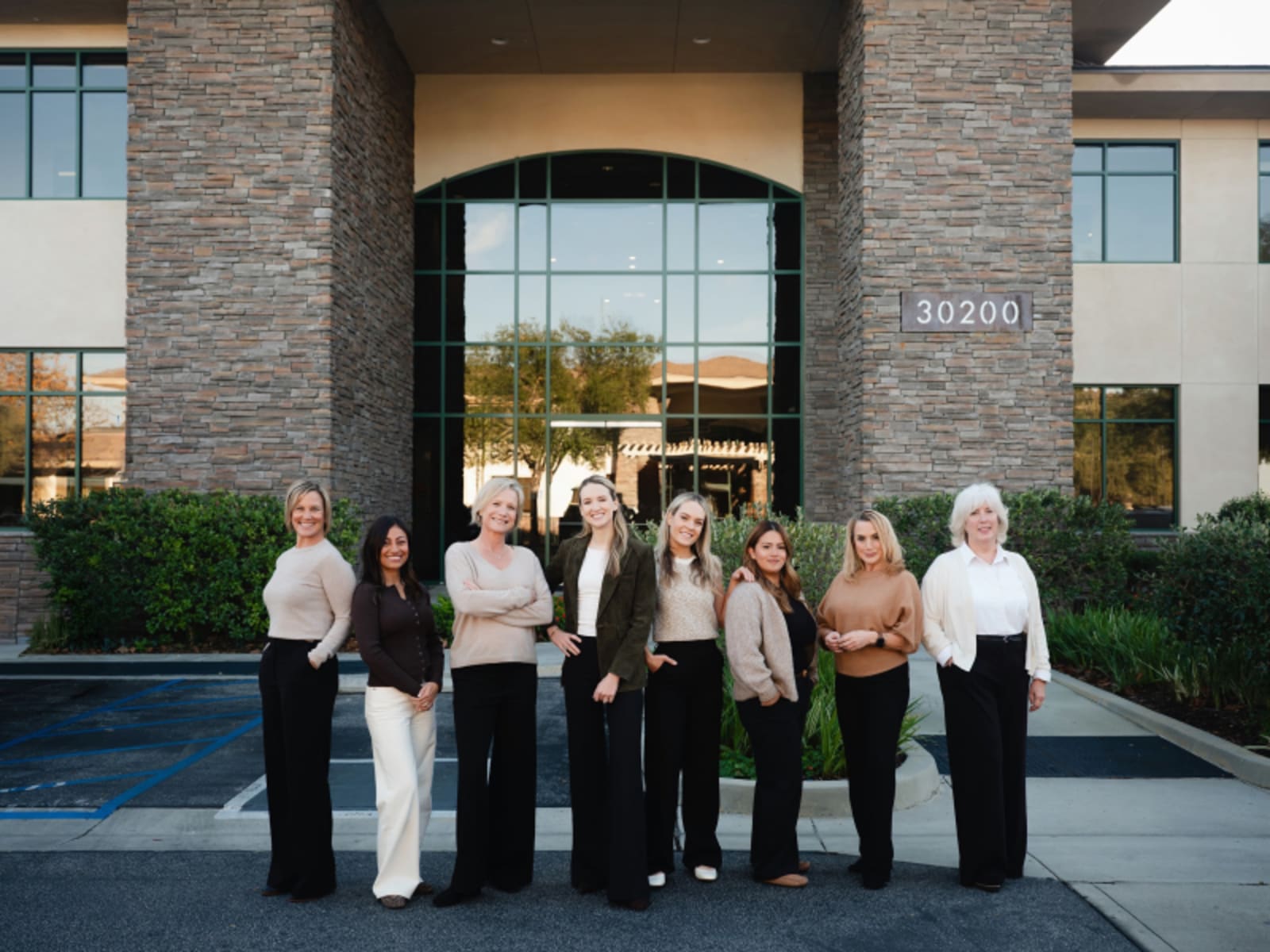
We're located at 30200 Agoura Rd., Suite 270, Agoura Hills, CA 91301. Reach us at (818) 889-0400 whenever you're ready.